How I Became Work Optional at 43

I still can’t believe this is my reality.
At 43, I walked away from my marketing job and now get to choose how I spend my time. That comes with a lot of privilege, and I want to acknowledge that upfront. I also want to be clear about something else: nothing—absolutely nothing—about this path was easy.
I’m first-generation. While life has been kind to me in many ways, every bit of progress came from hard work, persistence, and repeatedly choosing “future me” even when it was uncomfortable.
In this article, I’ll share how I became work optional—which I define as being able to cover my living expenses with investments, without needing another paycheck. I don’t really identify with the word retired. I’m still relatively young, I’m curious, and I want to keep contributing—just on my own terms.
Quick note: My husband owns his own business and is still happily working. His plan is to retire around the time our kids head to college.
If you don’t consider yourself “good with money,” or if you’re just starting to take your finances seriously, I hope my story shows you that there’s no one right path—and that steady progress really does add up.
Invest in a Good Education
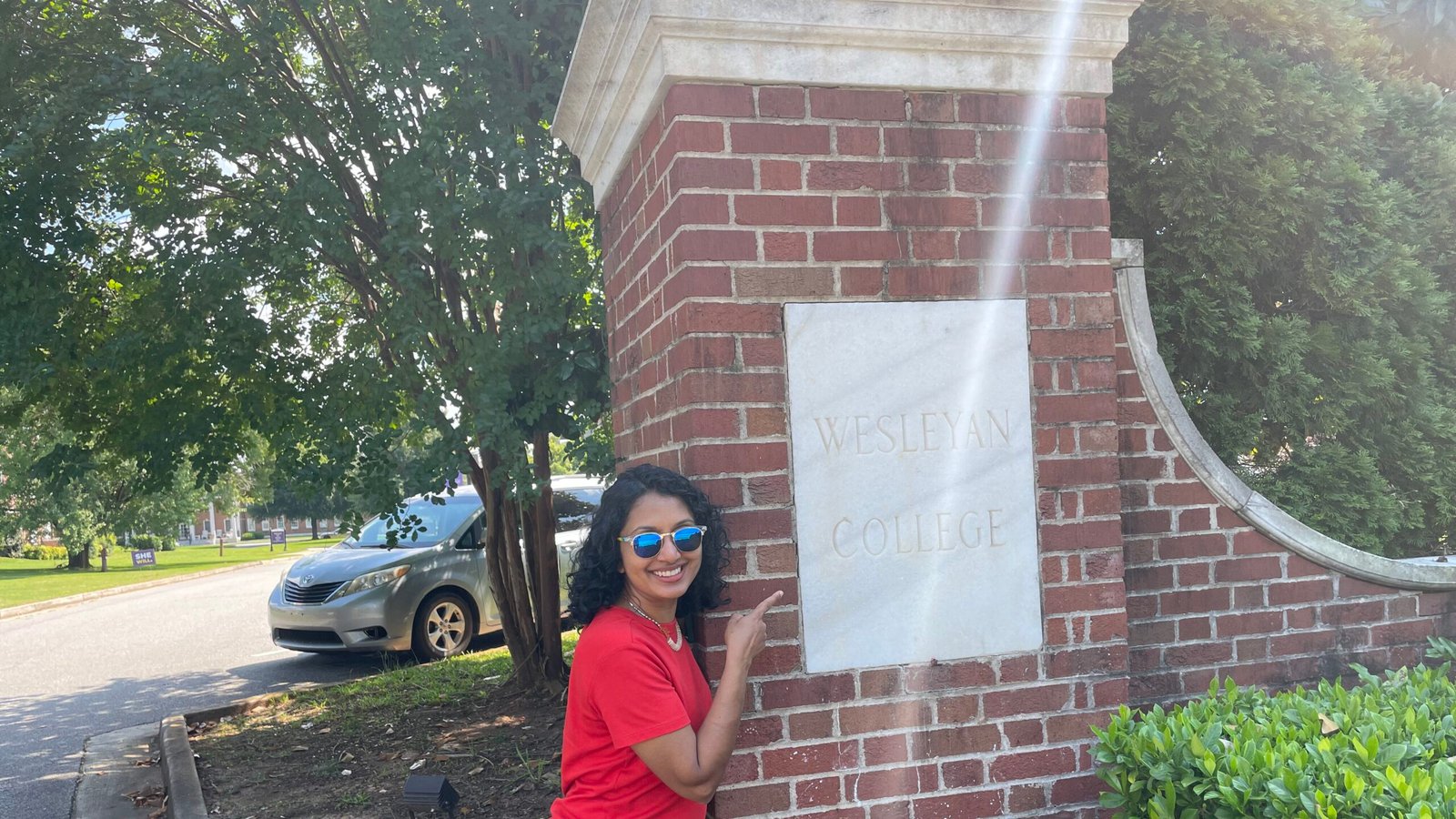
I was fortunate to receive an almost full scholarship to attend college in the U.S. back in 2000. This was before the internet was everywhere, so I didn’t know much about the school—just that studying abroad had been my dream, and I’d done it.
I didn’t have much guidance and didn’t know what career I wanted. As a former commerce student, I chose to double‑major in Business Administration and Economics, with a minor in Math. I worked during the school year and every summer—on and off campus—to cover books, insurance, and personal expenses. My parents paid a few thousand dollars a year toward tuition, which was a huge sacrifice for them.
Looking back, I didn’t make perfect decisions—but I made practical ones with the information I had.
Learn Frugality Early
I grew up with frugal parents, especially watching my mom manage our household carefully. Neither of my parents came from money but through hard work and discipline they created an extremely comfortable life for us. I unknowingly took these lessons with me to college where I got to practice frugality for the first time.
I was a poor, broke college student. That was nothing special during those times.
I survived on ramen when it was on sale—sometimes 6–8 packs for a dollar. I ate it so often that I still can’t stand the smell of the seasoning packet. I bought the cheapest hygiene products I could find, and a $5 order of Chinese food was a once‑every‑few‑months treat.
Some people feel sorry for me when they hear this, but I wouldn’t trade those years for anything. I had food, safety, and access to a quality education. I was blessed! I knew my money was limited—and that no one was coming to rescue me if it ran out. That lesson shaped how I think about money to this day.
Be Scrappy
I graduated with honors—and still couldn’t find a job.
That was terrifying.
I had believed that good grades would automatically lead to a good job. I was wrong. The only company that recruited on campus was Walmart, and we hypothesized that was due to a workforce discrimination lawsuit that led them to recruit at a women’s college. I interviewed and was hired into Sam’s Club’s Assistant Manager training program.
After a year, I was miserable I worked in a rough neighborhood, dealt with safety issues, employee call‑outs, and constant retail chaos. I knew I couldn’t do this long term.
Because I was living with my parents, I had flexibility. I took a huge pay cut—down to $12,000 a year—to join AmeriCorps VISTA, helping a microfinance nonprofit with business development. It was a relief to leave retail, even with the low pay.
Later, after getting married and moving to Chicago at 24, I struggled again to find work. I finally applied for an internship at a mission‑driven financial institution—out of desperation. A recruiter noticed I already had a degree and relevant experience and encouraged me to interview for a full‑time role instead.
That moment changed everything.
Get a Good Job (With Benefits)
Eventually, I joined a much larger financial services company. This is where my income started to grow and where I ended up working in marketing.
I worked full‑time while attending a part‑time MBA program. It was exhausting—especially as a newlywed—but I wanted school done before starting a family. My employer helped cover part of the cost, which mattered because graduate school is expensive and I wanted to limit student loans.
This was also when I first started contributing to a 401(k). I didn’t max it out, and I didn’t really understand investing—but I started and I contributed enough to get the employer match. And that matters more than doing things perfectly.
Get on the Same Page with Your Partner
A later layoff became a wake‑up call. We realized we didn’t even have an emergency fund.
I started saving raises, bonuses, and extra income into a high‑yield savings account. I also maxed out my 401(k). About two years into that job, I took a closer look at our finances—and realized we were unintentionally keeping up with the Joneses.
We weren’t reckless, but we weren’t intentional either.
We started tracking every dollar. It wasn’t fun—but it was eye‑opening. I began reading about personal finance and discovered the FIRE movement (Financial Independence, Retire Early). For the first time, I realized that financial independence wasn’t just for the rich.
My husband deserves a lot of credit here. He was supportive from the beginning and trusted me to lead the process.
Live Below Your Means
We opened a brokerage account once we had more than six months of emergency savings and funded it with the excess. We continued funding retirement accounts and took advantage of tools like HSAs and child care FSAs.
During COVID, we sold our dream home in Chicago and moved to Charlotte to lower our housing costs and try a new chapter as a family. Despite selling our home at a “loss” that move significantly accelerated our progress toward financial independence. While Charlotte’s cost of living has increased over the last 6 years, it is still much cheaper than where we lived.

Today, we live a simple but good life. We rent for flexibility. Our cars are paid off. We don’t chase upgrades.
We do prioritize travel and experiences with our kids—things our parents rarely had time to enjoy, even though they worked incredibly hard.
We’re frugal, but not extreme. Life is short. The key for us was creating a gap between income and expenses and then being intentional with that gap.
Keep Investing Simple
We invest mostly in low‑cost, broad‑based index funds. Nothing fancy. This approach has worked well for us so far.
Yes, it means riding out market ups and downs—but because we’re intentional and long‑term focused, we’re comfortable with that risk. As we get closer to retirement, we’ll diversify further.
If you take nothing else from this, let it be this: you don’t have to be an expert to build financial security. I prioritized saving over investing for years thinking it was risky (which is true to some extent). However, once I realized we could only build wealth by investing, I started educating myself and jumped right in.
Final Thoughts
If you’ve made it this far, thank you.
I hope my story shows that:
- Paths are rarely linear
- Small decisions compound
- Financial independence isn’t reserved for “finance people”
You can absolutely improve your finances by increasing income where possible, spending intentionally, saving consistently, and investing simply—while still enjoying your life along the way.
Now that I’m work optional, I want to give back by sharing what I’ve learned in the hope that it helps someone else start—or keep going.
If you have questions, drop them in the comments and let’s chat!