Let me take you back about a decade. I was hit with my first-ever layoff—a true punch to the gut—after years of grinding away at a high-pressure job, often logging unpaid overtime. And to top it off, this happened right after I returned from just eight weeks of maternity leave. It was tough, but I refused to let it break me. I rallied, found another role (at the same company!), and eventually moved on. That experience taught me a lesson: anyone can be laid off, and being prepared is key. From then on, I became intentional about building a solid financial foundation for my family.
This article is all about the practical steps I used to bounce back and put my family on the path to lasting security after a layoff. If you’re looking to regain financial stability and be ready for whatever comes next, keep reading—you’ll find actionable strategies you can use today!
Step 1: Start or Rebuild Your Emergency Fund
First, take a moment to breathe—you’ve made it through! Now, let’s get back in the driver’s seat. Calculate the bare minimum you need to cover essentials, then channel any leftover cash toward rebuilding your emergency fund. The peace of mind this brings is priceless.
Here’s a pro tip: Set up your emergency fund in a High Yield Savings Account (HYSA). This way, your money earns maximum interest—and you can access it anytime, no strings attached. Aim for at least 6 months of living expenses. If your monthly spending is $5,000, your target is $30,000. Don’t stress if you’re not there yet. Progress is progress!
Tip: Include both discretionary (nice-to-have) and non-discretionary (must-have) expenses in your emergency fund. If another layoff happens, you’ll have options. Saving for discretionary spending adds an extra layer of comfort.
- Non-discretionary expenses: rent or mortgage, groceries, utilities, childcare
- Discretionary expenses: eating out, kids’ activities, entertainment
Note: There are plenty of HYSAs out there. I personally use Wealthfront, which is currently offering 4.05% APY on their Cash Account as of 03/18/2026.

Step 2: Pay Off Any Accumulated Debt
Debt happens—even to the best of us. The grocery store, bank, and utility companies expect payment regardless of your job situation. There’s zero shame in doing what it takes to get through tough times. Now, let’s shift from survival mode to thriving mode! Pay more than the minimum when possible to chip away at the principal and keep interest costs low. Decide how much you can realistically pay each month and stick to it. Discipline here means freedom later.
If you’re able, consider picking up a side gig or part-time job. Any extra income can turbocharge your progress on steps 1 and 2!
Step 3: Start a 401K
Once you’ve got your emergency fund set and your debts paid off, it’s time to shift gears and invest in your future. If your employer offers a 401K plan—especially with matching contributions—start a 401K or Roth 401K. Even if there’s no match, you benefit: you can deduct up to $24,500 per year on your tax return if you’re under 50. If you’re 50 or older, the limit goes up to $32,500. That’s money you won’t pay taxes on this year, and your contributions grow tax-deferred until retirement. It’s a win-win!
Try to contribute as much as you can—up to the IRS maximum deduction. And don’t stress if you can’t max it out right away. I didn’t start maxing out my contributions until about ten years ago!
Tip: Curious how your money could grow? I use this compound interest calculator—it’s fun and motivating!
Step 4: Start a Brokerage Account
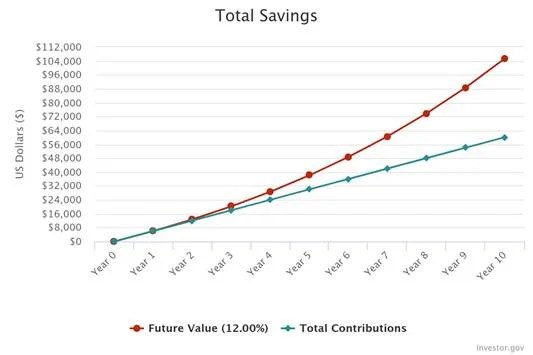
If you’re still finding extra funds at the end of the month, open a brokerage account at Fidelity, Vanguard, or Charles Schwab—all known for low fees. Invest in broad-based ETFs (like VTI) and make a pact: once you invest, don’t touch the money—even if the market dips. Let your funds compound and grow. Did you know the average annual real return of the S&P 500 over the past decade was 12%? Imagine investing $500 each month for 10 years—you could have over $105,000 today! That’s the power of investing, but remember: wait until your emergency fund is fully stocked before diving into this step.
You’ve already conquered a layoff—now it’s your chance to take control of your financial future! Drop your questions in the comments and subscribe for more helpful tips.
Discover more from First Gen FI
Subscribe to get the latest posts sent to your email.